
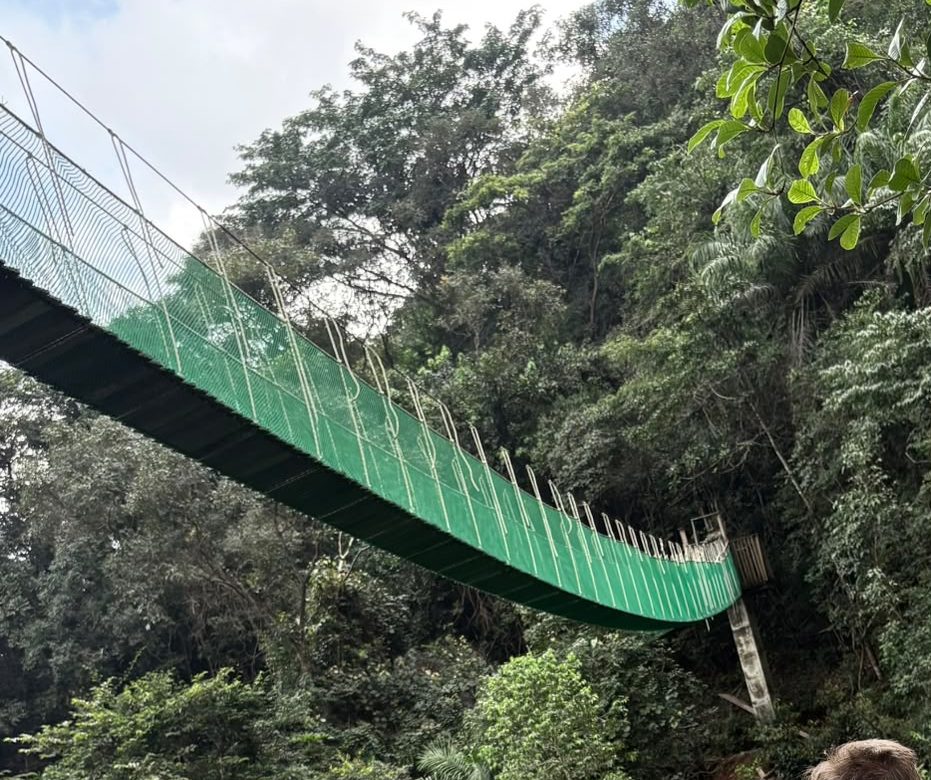
With a clear commitment to transforming Sierra Leone into a leading ecotourism destination, the Minister of Tourism and Cultural Affairs, Nabeela Farida Tunis, has thrown her weight behind the successful completion of the country’s first-ever Canopy Walkway at the Tacugama Chimpanzee Sanctuary, describing it as a flagship project capable of redefining nature-based tourism, conservation, and communit
With a clear commitment to transforming Sierra Leone into a leading ecotourism destination, the Minister of Tourism and Cultural Affairs, Nabeela Farida Tunis, has thrown her weight behind the successful completion of the country’s first-ever Canopy Walkway at the Tacugama Chimpanzee Sanctuary, describing it as a flagship project capable of redefining nature-based tourism, conservation, and community development in Sierra Leone.
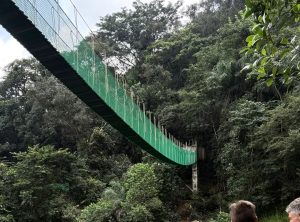
The Canopy Walkway, currently under development at Tacugama, is expected to become one of the country’s most iconic tourism attractions. Experts believe the project will give visitors a unique chance to experience the rainforest from above the treetops while showcasing the rich biodiversity of the Western Area Peninsula Forest.
Tourism professionals and conservationists have hailed the initiative as a game-changer for Sierra Leone’s tourism sector. They argue that the attraction will diversify the country’s tourism offerings beyond its renowned beaches and cultural heritage sites, positioning Sierra Leone as a competitive ecotourism destination within West Africa and beyond.
The Minister expressed profound appreciation to the UNDP for its continued support toward tourism development and environmental sustainability initiatives in Sierra Leone. She noted that partnerships with international development institutions remain critical to the successful implementation of transformative projects such as the Canopy Walkway.
“The Government of Sierra Leone deeply appreciates the support of the UNDP and other development partners whose commitment continues to contribute significantly to the growth of sustainable tourism and conservation in our country,” the Minister stated. “This project is a clear demonstration of what can be achieved when governments, development partners, conservation organizations, and communities work together towards a common goal.”
 The Minister further called on additional development partners, donor agencies, conservation organizations, private sector investors, and philanthropic institutions to support the completion and expansion of the project. She emphasized that increased investment in ecotourism infrastructure would not only strengthen conservation efforts but also create jobs, stimulate economic growth, and enhance Sierra Leone’s global tourism competitiveness.
Environmental experts have also emphasised the project’s conservation benefits. By linking tourism directly to the protection of forests and wildlife, the canopy walkway creates a strong economic incentive for conservation. They note that protected ecosystems can generate sustainable revenue while preserving natural habitats and supporting efforts to combat illegal poaching, deforestation, and biodiversity loss.
Beyond conservation, the project is expected to contribute significantly to local economic development. Increased visitor arrivals will create opportunities for tour guides, transport operators, hospitality businesses, artisans, and surrounding communities. Experts believe that community participation will be critical to the project’s long-term success, ensuring that local people benefit directly from tourism-related activities and become active custodians of the environment.
The canopy walkway is also expected to serve as a valuable educational and research facility. Schools, universities, researchers, and environmental organizations will be able to use the site for biodiversity studies, environmental education, and climate change awareness programmes, helping to build a new generation committed to environmental stewardship.
However, experts caution that sustainability must remain at the heart of the project’s implementation. Effective maintenance, strong environmental safeguards, continuous community engagement, and transparent management of revenues will be essential to ensuring that the attraction remains viable and beneficial for future generations. They further recommend that a portion of the revenue generated be reinvested into conservation activities, infrastructure maintenance, and community development programmes.
As construction progresses, the Canopy Walkway is increasingly being viewed as a symbol of Sierra Leone’s commitment to sustainable tourism and green growth. With strong government support and stakeholder collaboration, the project has the potential to become a landmark attraction that not only boosts tourism but also protects the country’s natural heritage, creates jobs, and contributes meaningfully to national development.
For many observers, the canopy walkway represents more than a tourism project; it is an investment in Sierra Leone’s future, demonstrating how conservation, innovation, and sustainable development can work together to create lasting benefits for both people and the environment.
-END