
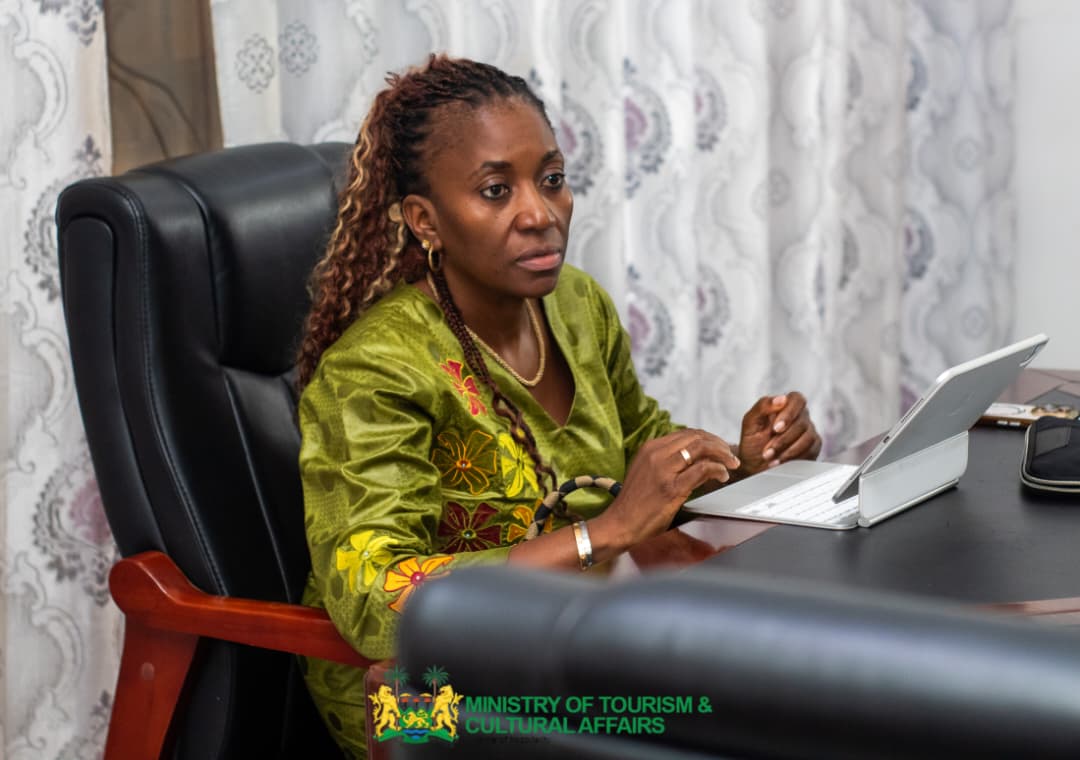
Sierra Leone’s efforts to safeguard its rich historical and cultural heritage have received a significant boost as the Honourable Minister of Tourism and Cultural Affairs will officially launch the engineering groundbreaking ceremony for conservation and restoration works at the historic Bunce Island Slave Fort on the 10th November, 2026.
 The landmark event, organized by the Monuments and Relics Commission (MRC) under the Ministry of Tourism and Cultural Affairs (MTCA), will mark the start of a major undertaking to preserve one of Sierra Leone’s most important heritage landmarks and a site of global historical significance.
Bunce Island Slave Fort, located in the Sierra Leone River, remains one of the most prominent reminders of the Trans-Atlantic Slave Trade and serves as a powerful symbol of remembrance, education, and cultural identity. The site continues to attract historians, researchers, members of the African diaspora, and tourists from around the world seeking to understand the history and legacy of the slave trade.
The engineering works are expected to improve the fort’s structural integrity while supporting broader conservation efforts to safeguard the site’s historical authenticity and cultural value. The initiative is also expected to strengthen Sierra Leone’s position as a leading heritage tourism destination in West Africa.
Officials from the Monuments and Relics Commission noted that the project aligns with national priorities to preserve cultural heritage while creating opportunities for education, research, tourism growth, and community engagement. They emphasized that Bunce Island remains an important resource for promoting historical awareness and fostering a deeper appreciation of Sierra Leone’s contribution to global history.
Stakeholders attending the ceremony, including government representatives, heritage experts, tourism practitioners, development partners, and community leaders, have welcomed the initiative as a timely intervention that will ensure the long-term protection and promotion of the historic site.
Beyond conservation, the project is expected to boost tourism development by enhancing the visitor experience and increasing interest in Sierra Leone’s heritage attractions. It is also anticipated to generate wider socio-economic benefits through increased tourism activity, cultural education, and international recognition of the country’s historical assets.
As work begins, the groundbreaking ceremony will stand as a powerful demonstration of Sierra Leone’s determination to preserve its heritage, celebrate its history, and strengthen national identity through the protection of cultural landmarks.
The restoration and conservation of Bunce Island Slave Fort will be widely regarded as a crucial step toward ensuring that one of Sierra Leone’s most treasured historical sites continues to educate, inspire, and connect people from across the world for generations to come.