

TOURISM MINISTRY VALIDATES ISLAND AND BEACH TOURISM POLICY TO STRENGTHEN SUSTAINABLE COASTAL MANAGEMENT
25th June, 2026 – Dove’s Nest Hall, Aberdeen Road
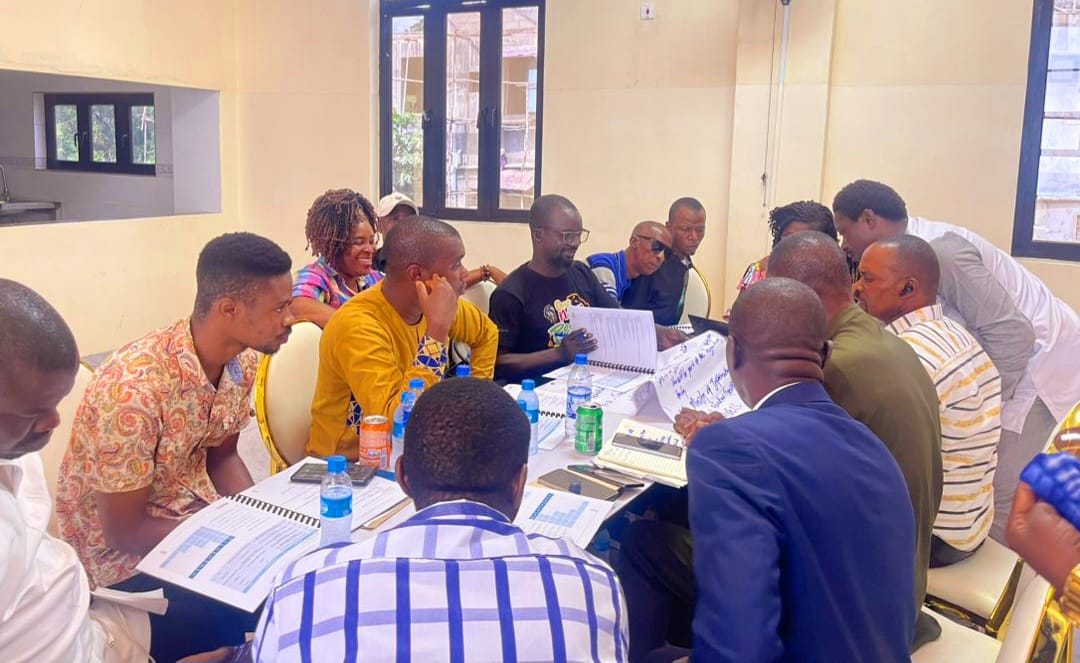
Building on months of nationwide consultations and field assessments across Sierra Leone’s beaches and islands, the Ministry of Tourism and Cultural Affairs has held a Stakeholders Validation Workshop on the Island and Beach Tourism Policy and Management Plan. The exercise marks a major milestone in the development of a comprehensive framework to guide the sustainable management, conservation and development of the country’s coastal tourism assets. The workshop brought together government ministries, development partners, local authorities, community representatives and other key stakeholders to review and refine the draft policy before its final adoption.
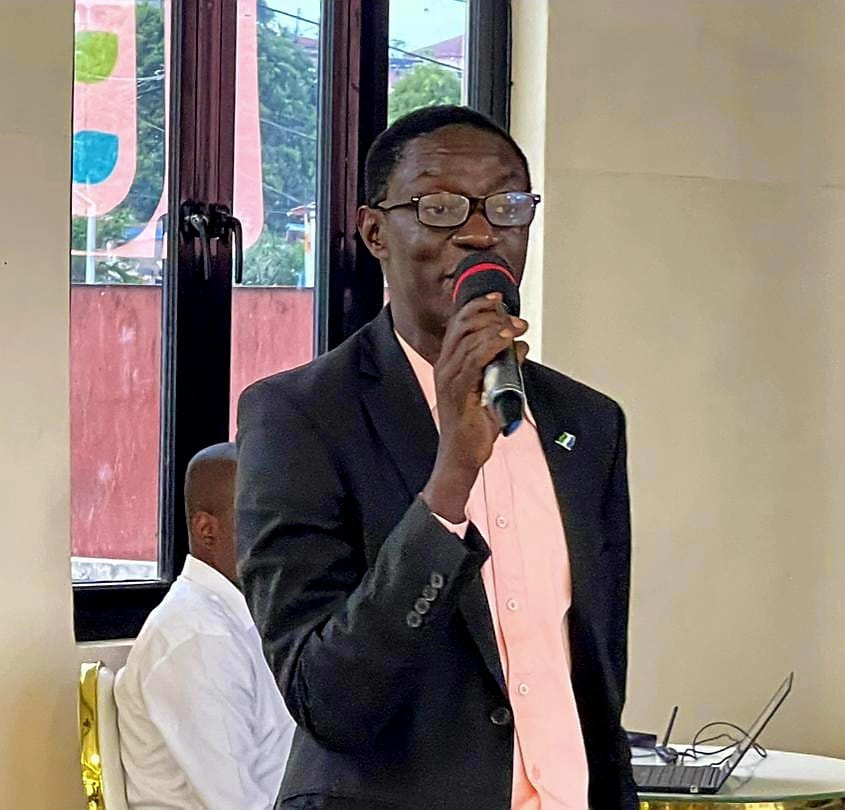
Chairperson of the workshop, Emmanuel A. B. Turay, welcomed participants and encouraged them to serve as ambassadors of the policy within their respective communities. Chairman of the National Tourist Board, Allieu Kokobay, described the validation as a significant step towards safeguarding Sierra Leone’s coastal tourism assets, noting that effective implementation of the policy would enhance sustainable tourism development and preserve the country’s beaches and islands for future generations. Representatives from the Ministries of Fisheries and Marine Resources, Lands, Housing and Country Planning, and Environment and Climate Change all reaffirmed their institutions’ commitment to the initiative, highlighting the importance of coordinated action, responsible land-use planning, environmental protection and improved waste management in safeguarding Sierra Leone’s beaches and islands. Their interventions underscored the need for stronger collaboration in addressing the growing pressures facing the country’s coastal ecosystems.

Delivering the keynote address on behalf of the Minister of Tourism and Cultural Affairs, Nabeela Farida Tunis, the Senior Permanent Secretary, Judith Jones, stressed that sustainable coastal tourism presents one of Sierra Leone’s greatest opportunities for economic transformation. She noted that coastal and maritime tourism accounts for nearly 80 percent of global tourism and generates more than US$1.5 trillion annually, making it the largest segment of the ocean economy. She emphasized that Sierra Leone’s pristine beaches and culturally rich islands can significantly contribute to national development if properly managed, while warning that environmental degradation, unregulated activities and weak coordination continue to threaten these valuable resources. She called on all stakeholders to work collectively to ensure that the policy translates into meaningful action that protects the country’s coastal heritage for future generations.

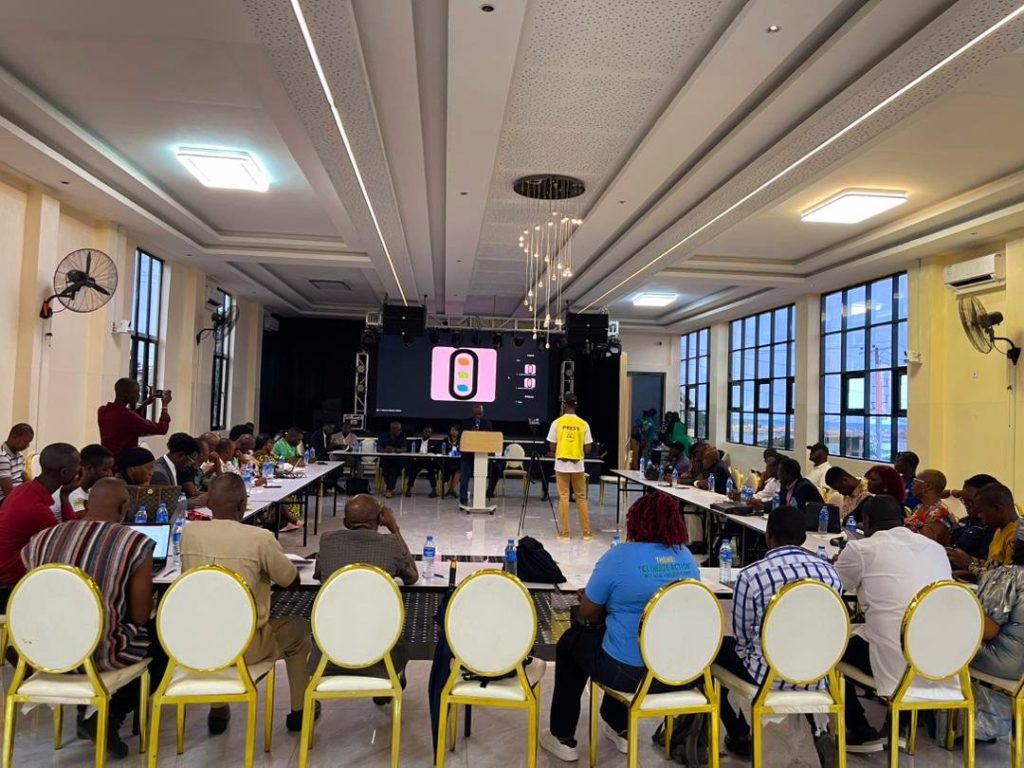
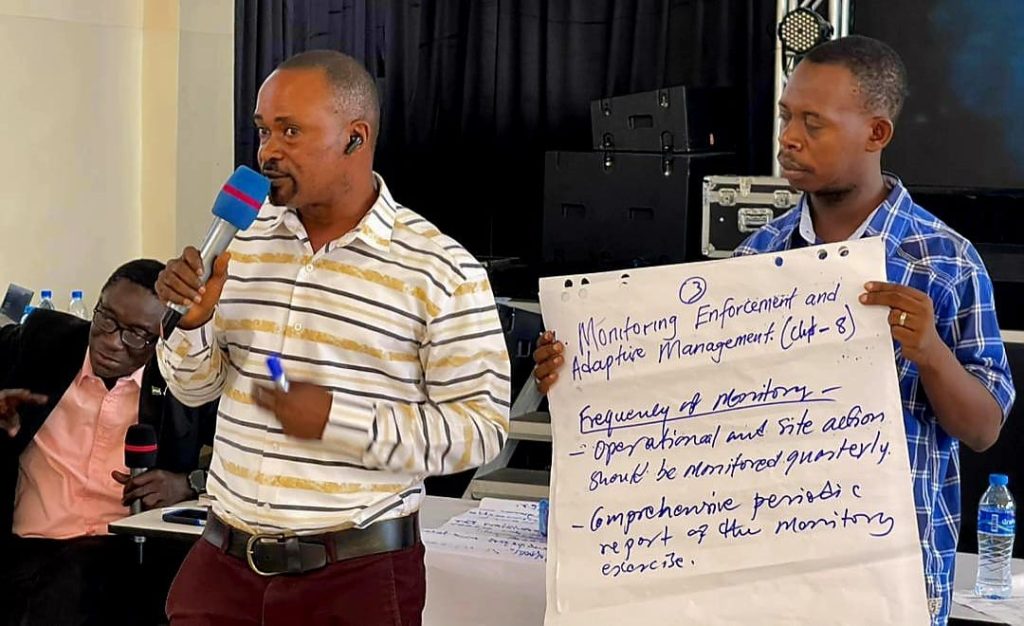
The workshop also featured a virtual presentation by the international consultants, who outlined the methodology, stakeholder engagement process, field assessments and technical approaches used in developing the draft policy and management plans. Participants were taken through the various stages of the assignment, from nationwide consultations and data collection to policy formulation, drafting and validation, explaining how community views and technical assessments shaped the proposed framework. This was followed by an interactive plenary session that featured group presentations, constructive discussions and interactive exchanges, allowing participants to review key provisions of the policy and propose practical recommendations to strengthen the final document.

Closing the workshop, Director of Tourism, Travel and Exchange Program, Mohamed Jalloh, thanked participants for their active engagement and valuable contributions throughout the validation process. He noted that the quality of discussions demonstrated the shared commitment to protecting Sierra Leone’s beaches and islands and expressed confidence that the finalized Policy and Management Plan would provide a strong foundation for sustainable coastal tourism development, environmental conservation and community participation across the country. He urged stakeholders to maintain the momentum by supporting the implementation of the policy once it is finalized.
MTCA Communications